1 - Defining News

From cave paintings to infographics on your Instagram feed, we as a species have always had a desire to tell a story. The execution of that desire has evolved, with time, into a broad array of how we make and share news. News is what makes up the structures of our society by allowing us to stay informed and entertained. The different forms of news greatly impact and shape the public’s perspective on various topics of interest, whether it be entertainment, politics, or economics, to name a few. News is an important part of our everyday lives that guides us to make informed decisions and reflect upon the way that our world has changed.
The most common way to consume news in today’s world is through our smartphones, though it wasn’t always that way. There are multiple ways to consume media besides mobile devices. The first way that we began distributing and consuming news was through print media, such as newspapers and magazines. That print media was then accompanied by radio and television, where news could be broadcast live. Then, those two forms of media were dwarfed by the internet, where blogs, newsletters, and social media have become the newer generation’s main form of consumption.
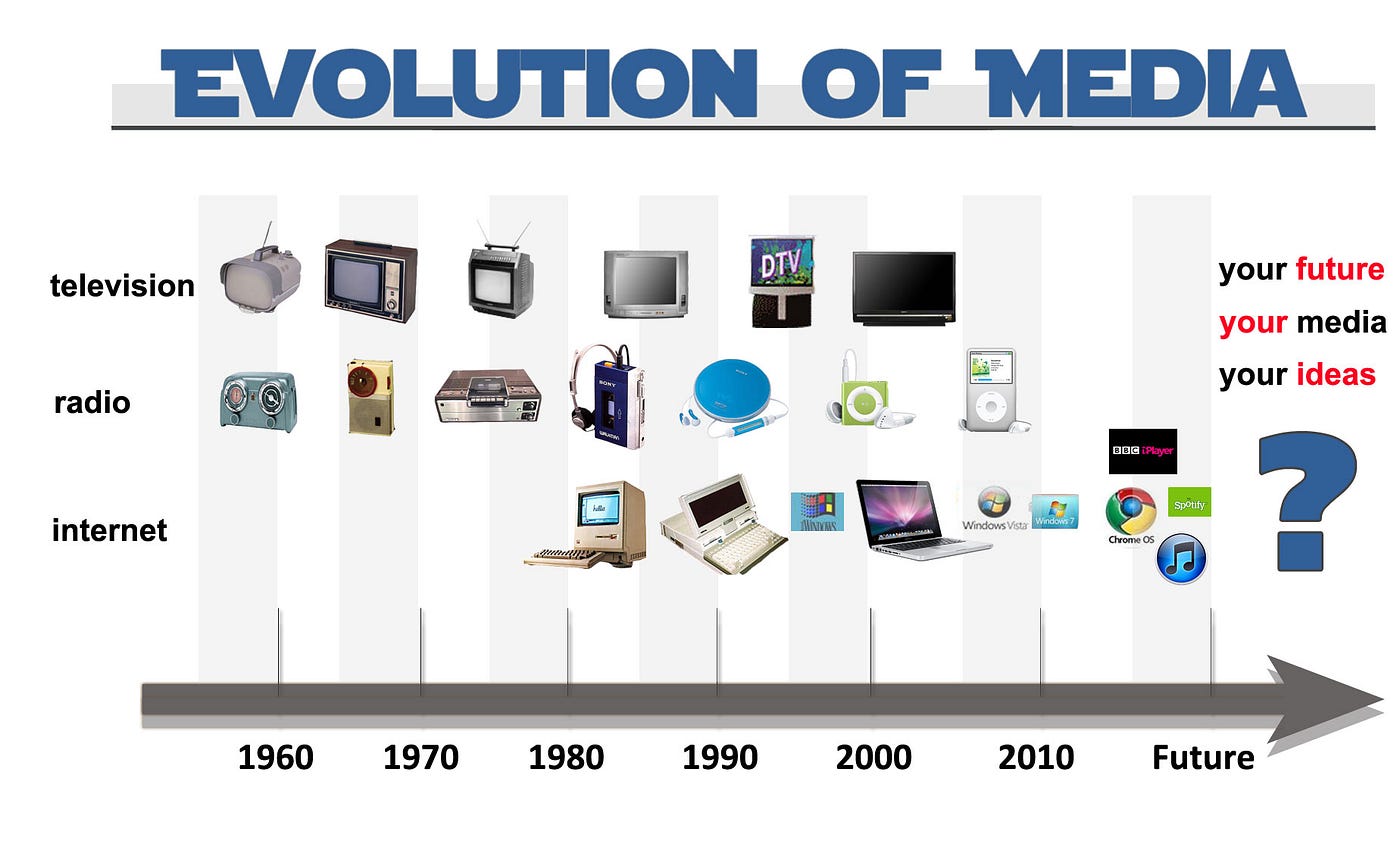
Link in Photo.
News knows no bounds in a world where we can access information with a few strokes of our fingertips. In this digital age, the question arises of how does this new way of consuming news influence how we internalize it? With social media and the internet, trends manifest in different ways than before. Once upon a time, when an important event happened, it would take months for the news to reach as far as a few states over. In modern times, we can report or read on an important event within seconds. Writer’s Digest brings up the point that the digitalization of news allows for more accessible content than ever before, but with that comes a decrease in the quality of work.
On our phones, for example, we can find an article, post, or video of the newest trending topic in a matter of seconds. The likelihood of that news source being credible or worth reading has diminished with the sheer amount of work that is being pumped out every second. The Trending tab on X, for example, allows you to view a plethora of trending topics across the world with one click. The posts under the trending topic, though, can range from being posted by reputable news companies to any normal person with an X account.

A screenshot of the trending tab on X.
The almost unlimited access that we have changes the way that we absorb news. Reuters Institute argues that younger audiences do not have to seek news out, but that it instead comes to them. Whereas older audiences had to either purchase newspapers or watch news channels on television, we can simply scroll on any social media app and eventually come across a piece of news. When consuming news in this way, it is easier to internalize misinformation. Actually seeking out news allows us to first, have an interest in the topic that we are researching, and second, to have a more diverse lens of media suppliers.
This accessibility to news is also incredibly beneficial, though. For one, it is important for us to have choices when it comes to our methods of consuming news media. Two, we can stay updated on news across the world in real time. Three, this digital age makes it much easier for people to share their stories, no matter their backgrounds or living situations. It is wise to be cautious when consuming news today and to know how to identify whether a source is credible or not.
It is also wise to know how to properly digest the news that we consume. Many news sources, especially involving politics in today’s climate, are very keen to appeal to a certain opinion or side. It is easy to be manipulated by these standpoints if you do not take your own feelings and beliefs into account. We must be able to think critically about the information that we are consuming, rather than just taking others’ opinions for our own.

Link in Photo.


Comments
Post a Comment